
Most people with acne-prone skin think glass skin is impossible for them.
They assume glowing skin only works for people with naturally smooth, clear complexions. And every time they try a trendy “glass skin” routine, they end up with more breakouts, more congestion, or skin that feels irritated instead of healthy.
If that sounds familiar, your skin is not the problem. The strategy is.
Most acne-prone skin routines focus only on clearing breakouts instead of creating healthy, balanced skin. The result is often over-stripped, dehydrated skin that looks inflamed instead of radiant.
Acne-prone skin can absolutely achieve glass skin, but the approach needs to prioritize balance, barrier health, hydration, and inflammation control.
If you’ve been searching for how to get glass skin with acne-prone skin without triggering breakouts, this guide will show you what actually works.
Can Acne-Prone Skin Get Glass Skin?
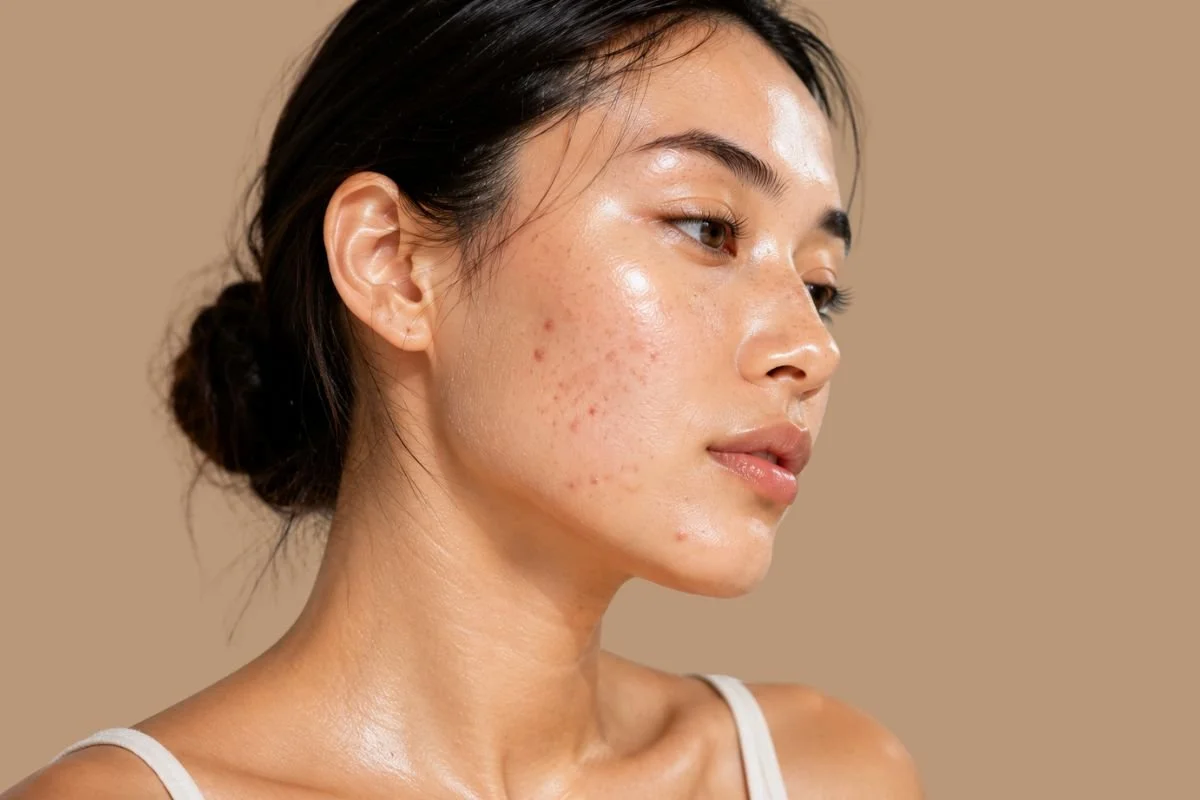
Yes. Acne-prone skin can absolutely achieve glass skin.
The problem is that most people misunderstand what glass skin actually means.
Glass skin is not:
Oily
Greasy
Over-exfoliated
Coated in heavy products
Real glass skin is:
Smooth texture
Balanced hydration
Even tone
Healthy light reflection
Glass skin for acne-prone skin means a glass skin look or glass-like complexion that appears smooth, evenly toned, and luminous rather than literally perfect.
Glowing skin with acne is possible when the skin is supported properly instead of constantly stripped.
Glass skin is about skin health, not perfection.
A lot of people with acne-prone skin have been taught to fear glow because they associate any shine with breakouts. But healthy skin naturally reflects light better. The goal is balance, not dryness.
Why Most “Glowy Skin” Advice Breaks Acne-Prone Skin Out

A lot of glow-focused skincare advice is built around layering more and more products onto the skin, and traditional glass skin routines often lean on heavy, occlusive layers that can clog pores on acne-prone skin.
For acne-prone skin, that often backfires quickly.
Common mistakes include:
Overloading the skin with heavy products
Over-exfoliating with strong acids
Using too many active ingredients at once
Following influencer routines blindly
Choosing lightweight options over heavily occlusive, comedogenic oils, especially for oily skin
Most online acne advice focuses on removing oil instead of supporting skin health. That approach usually creates more irritation, more inflammation, and more imbalance over time.
Most acne-prone skin becomes more reactive because people treat it too aggressively.
My glass skin myths guide also explains why aggressive routines often backfire.
If your skin feels reactive no matter what you use, your skin barrier may be part of the problem. My skin barrier repair guide explains why this happens and how to fix it.
Why Most Acne-Prone Skin Routines Fail

The biggest mistake is trying to dry out breakouts.
A lot of people think the key to clear skin is stripping away every trace of oil. So they overload their routine with harsh cleansers, drying treatments, aggressive exfoliants, and alcohol-heavy products.
At first, skin may look less oily. But underneath the surface, the barrier becomes compromised. If you have sensitive skin, stick to a gentle formula and fragrance-free products focused on hydration, and patch test new products to avoid flare-ups.
That leads to:
Increased inflammation
More sensitivity
Rebound oil production
Worsened texture
Longer healing times
In practice, this is one of the most common patterns I see in clients struggling with both acne and sensitivity.
Drying out your skin rarely creates clarity. It usually creates imbalance.
The goal is not to fight your skin harder. The goal is to support it more intelligently.
How to Get Glass Skin With Acne-Prone Skin
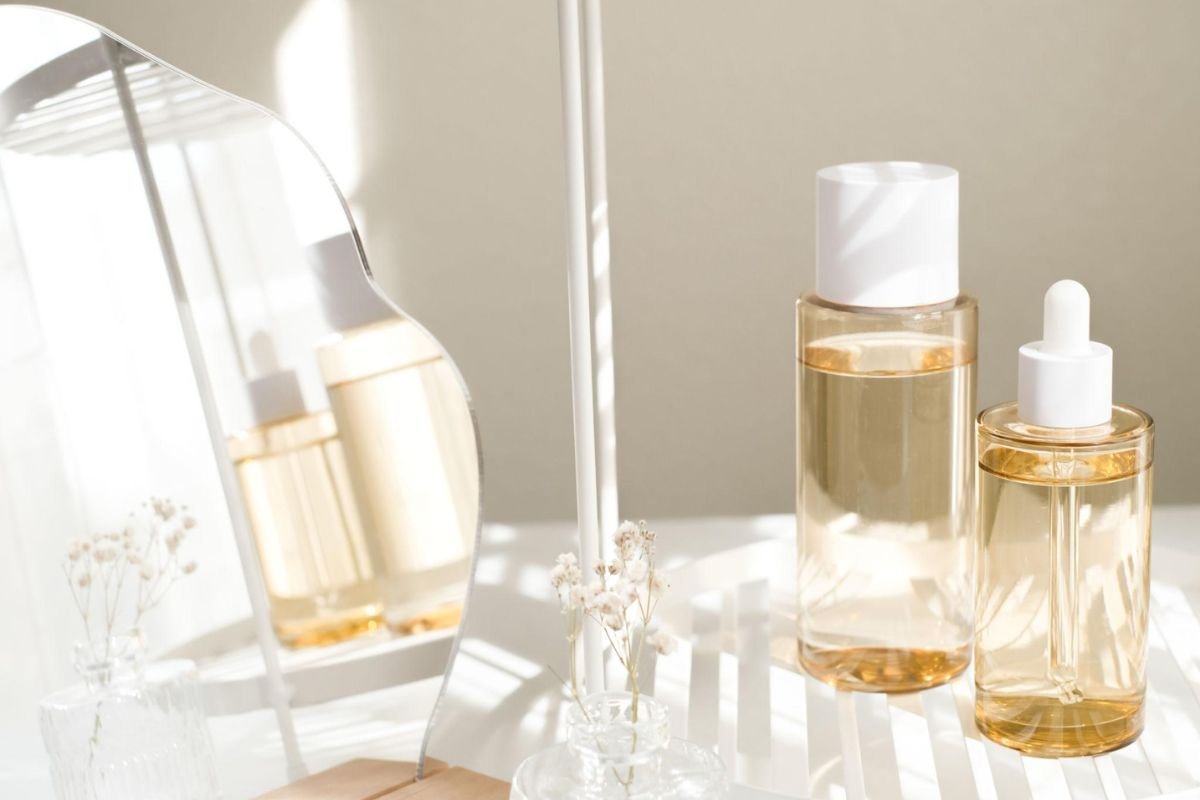
Acne-prone skin needs support, not punishment.
Creating glass skin with acne-prone skin is not about doing more. It is about following a skincare routine built on layered hydration over time, using steps like cleansers, essences, toners, and serums to support ideal hydration levels. The goal is dewy skin and a luminous glow created by adequate hydration and steady layering, not heaviness.
Pillar 1: Gentle Cleansing
Your cleanser should remove buildup, sunscreen, and excess oil while keeping the skin clean; at night or after heavy sunscreen or makeup, double cleanse by starting with an oil based cleanser and following with a gentle water-based cleanser.
Clean skin should feel balanced, not stripped.
Harsh foaming cleansers often disrupt the skin barrier and increase irritation, especially when used twice daily with active ingredients.
Acne prone skin often does best with water-based cleansers that use acne fighting ingredients like salicylic acid plus soothing ingredients.
Pillar 2: Controlled Exfoliation
Gentle exfoliation can help remove dead skin cells, support skin cell turnover, and improve skin texture and post-breakout marks, but more is not better.
Over-exfoliation is one of the fastest ways to increase inflammation and destabilize acne-prone skin.
Strategic exfoliation works far better than aggressive daily acids. In practice, chemical exfoliants are usually preferred over scrubs because they clear clogged pores without rough friction that may spread bacteria.
The goal is smoother, calmer skin, not constant peeling. Once-weekly use is a common starting point, adjusted to tolerance, and water-soluble options such as salicylic acid can work well for acne-prone skin.
Pillar 3: Lightweight Hydration
One of the biggest misconceptions in acne care is the belief that hydration causes breakouts.
Hydration and heaviness are not the same thing.
Acne-prone skin still needs water content and barrier support to function properly. Keeping the skin hydrated with lightweight layers works better than relying on one heavy product, and non-comedogenic moisturizers help maintain balance without clogging pores.
When skin is properly hydrated, it often becomes less reactive and less oily over time.
In Korean skincare, the layering technique often starts with a hydrating toner or treatment essence to support overall skin health, followed by a hydrating serum for intense hydration; look for skincare ingredients like hyaluronic acid and glycerin, which draw in moisture and help create a dewy appearance.
If your routine feels overwhelming, my glass skin routine guide breaks down how to simplify your products without sacrificing results.
Pillar 4: Barrier Repair
A damaged skin barrier makes acne-prone skin significantly harder to manage.
When the barrier is compromised:
Inflammation increases
Breakouts heal slower
Skin becomes more reactive
Texture looks uneven
Barrier repair helps calm inflammation, reduce moisture loss, and restore stability by supporting the barrier’s fatty acids and essential fatty acids so your skin can actually respond to treatment properly.
Barrier repair is one of the biggest missing pieces in acne-prone skin, which I explain more deeply in my skin barrier guide.
If your skin constantly feels irritated, tight, or unpredictable, your barrier may be keeping your skin stuck.
Pillar 5: Consistency
This is the step most people struggle with.
Many people switch products too quickly because they expect immediate results. But acne-prone skin needs consistency and stability before visible glow starts to appear.
Product hopping usually resets progress before your skin has time to respond.
A simple routine followed consistently will outperform an aggressive, constantly changing routine every time.
My glass skin routine guide can help you simplify your current routine if you feel overwhelmed.
What Causes Dull Skin in Acne-Prone Skin?

A lot of acne-prone skin looks dull not because it lacks products, but because it lacks balance.
Several factors contribute to dullness, including:
Inflammation
Dehydration
Over-exfoliation
Barrier damage
Dead skin buildup
When skin is inflamed or dehydrated, light cannot reflect evenly across the skin's surface. That is why acne-prone skin often looks uneven or tired, with skin tone appearing less even even as breakouts start to improve.
Creating glow starts with calming the skin, not attacking it.
Once inflammation and barrier damage are under control, the right ingredients can help support a more even skin tone along with clarity and glow.
Best Ingredients for Glass Skin and Acne-Prone Skin
Some ingredients support both acne control and healthy glow without overwhelming the skin, and vitamin C can also help brighten discoloration and improve skin texture.
Helpful ingredients include:
Niacinamide
Ceramides
Hyaluronic acid
Azelaic acid
Gentle exfoliating acids
These ingredients help support hydration, barrier function, texture, even skin tone, the look of enlarged pores, and inflammation control simultaneously.
Ingredients that are commonly overused include:
Harsh scrubs
Alcohol-heavy toners
Overly aggressive acids
A lot of acne-prone skin improves when routines become calmer and more balanced.
How Long It Takes to Get Glass Skin With Acne-Prone Skin
Glass skin does not happen overnight, especially for acne-prone skin.
Real progress usually looks like this:
Weeks 1 to 2: barrier stabilization and reduced irritation
Weeks 3 to 6: smoother texture and improved hydration
Weeks 6 to 12: more noticeable glow and balanced tone
Consistency matters more than intensity.
Most people quit right before their skin starts responding.
If you want a deeper breakdown of realistic expectations, my full glass skin timeline guide explains what progress actually looks like week by week.
Can Professional Treatments Help Acne-Prone Skin Achieve Glass Skin Faster?

At-home skincare matters, but it often takes longer without guidance.
At Home
Slower progress
Trial and error
Requires consistency
Professional Treatments
Customized exfoliation
Barrier-safe treatments
Targeted acne correction
Faster visible improvements
Treating acne while building glow requires precision.
This is where customized treatments often create faster progress than trial-and-error home routines.
Professional treatments help accelerate results while minimizing the irritation that often comes from trying to figure everything out alone.
In many cases, clients see more progress once their routine becomes less aggressive and more targeted.
Sometimes the biggest improvement comes from removing products, not adding more.
Signs Your Acne-Prone Skin Routine Is Working
Progress is gradual before it becomes obvious.
Positive signs include:
Less inflammation
More skin smooth results with fewer signs of uneven texture
Fewer active breakouts
More balanced oil production
A more luminous complexion
Makeup sitting better on the skin
Small improvements consistently are usually a sign your skin is moving in the right direction.
Frequently Asked Questions About Glass Skin for Acne-Prone Skin
Can acne-prone skin get glass skin?
Yes. Acne-prone skin can absolutely achieve glass skin and even a glass like skin look when the focus shifts toward calm, hydrated, balanced skin and barrier support instead of aggressive stripping.
What is the best glass skin routine for acne-prone skin?
The best routine includes gentle cleansing, or double cleansing at night if you wear makeup or sunscreen, followed by a hydrating toner or essence, serum, moisturizer, and daily sun protection. Prioritize lightweight hydration because even oily skin can still become dehydrated, and keep exfoliation controlled while supporting barrier repair.
Will hydrating products break me out?
Not necessarily. The right lightweight hydrators can actually help calm acne-prone skin and reduce imbalance. They provide deep hydration with oil-free moisture and help protect against UV damage without feeling heavy, so skin stays hydrated instead of skin dry.
Should acne-prone skin exfoliate every day?
Usually no. Exfoliation can help all skin types, including sensitive skin types, but it should be gentle and based on your tolerance rather than done daily. Daily aggressive exfoliation often increases inflammation and weakens the skin barrier.
How long does it take to get glass skin with acne?
Most people begin seeing visible improvement within 6 to 12 weeks when following a consistent routine designed for their skin type.
Can professional treatments help acne-prone skin glow faster?
Yes. Professional treatments can help accelerate results while supporting barrier health and reducing irritation.
If You Want Clear Skin and Glass Skin

A lot of people with acne-prone skin spend years trying to control their skin instead of learning how to support it.
A lot of people with acne-prone skin have been taught to fear glow completely.
You do not need to choose between clear skin and glowing skin.
The real goal is healthy, balanced skin that feels calm, hydrated, and supported, with a smooth skin finish that looks naturally radiant rather than flawless skin in a perfectionist sense.
Most acne-prone skin does not need more aggression. It needs more balance.
Your skin is not the problem. The strategy is.
A real glass skin routine for acne-prone and breakout-prone skin requires balance, not aggression, plus daily sun protection with SPF that helps protect against sun damage and premature aging without leaving a white cast.
If you are ready to stop guessing and follow a personalized glass skin routine designed specifically for acne-prone skin, I can help.
I limit the number of consultations each month to ensure every client receives focused, individualized support and a plan tailored to their skin’s actual needs.
Book your skin consultation and let’s build a glass skin routine that supports clearer, calmer, and lasting glass skin results.