Glass Skin vs Dewy Skin: What's the Difference?
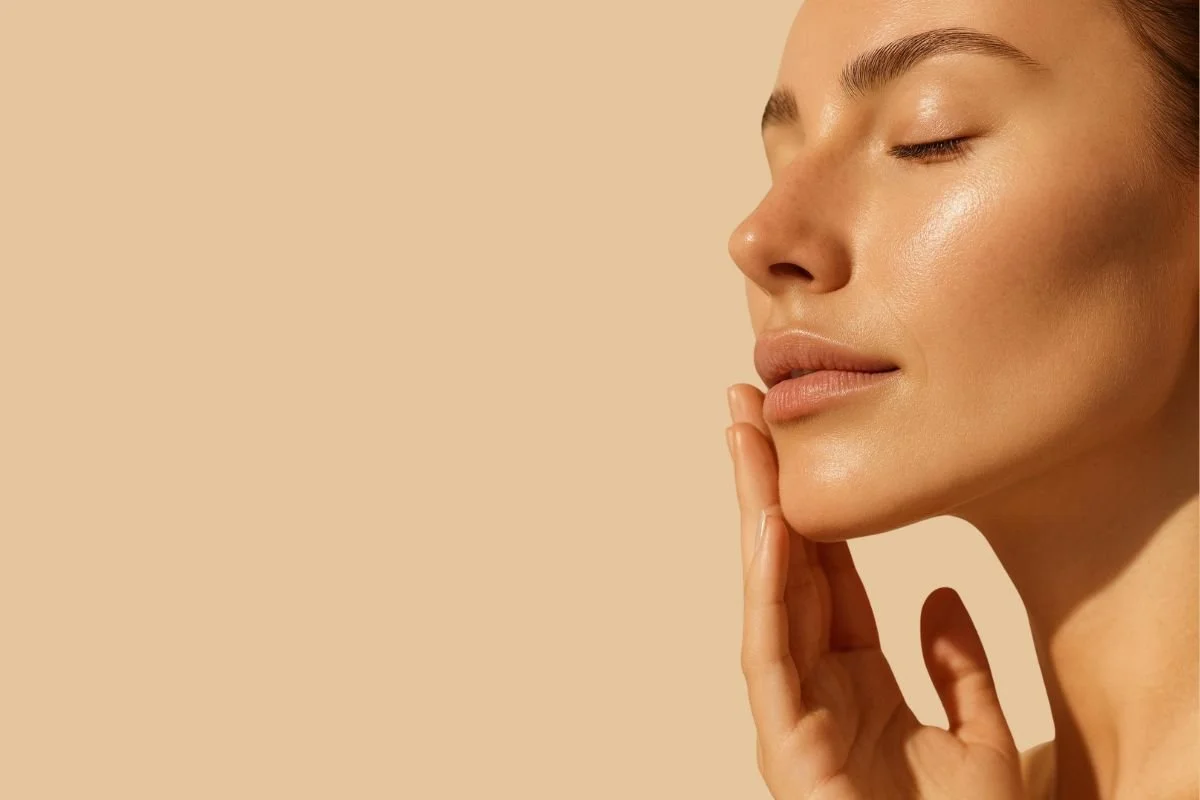
Everyone wants glowing skin.
The problem is that most people are chasing the wrong version of it.
Scroll through social media and you'll see beauty influencers, skincare brands, and celebrities talking about glass skin, dewy skin, radiant skin, and glowing skin as if they all mean the same thing. They don't.
That confusion often leads to unrealistic expectations, unnecessary product purchases, and routines that don't actually match your skincare goals.
Understanding the difference between glass skin and dewy skin can help you build a better routine and focus on results that are realistic for your skin.
If you've ever wondered whether glass skin and dewy skin are the same thing, or which one you should be working toward, this guide will break it down.
Glass Skin vs Dewy Skin: Quick Answer
Glass skin and dewy skin are not the same thing.
Dewy skin refers to skin that looks hydrated, fresh, and naturally radiant.
Glass skin refers to skin that is deeply hydrated, smooth in texture, even in tone, and reflective enough to create an almost glass-like finish.
The easiest way to remember the main difference is this:
All glass skin is dewy, but not all dewy skin is glass skin.
Dewy skin focuses on hydration and glow.
Glass skin focuses on overall skin quality.
Understanding that distinction helps you set realistic expectations and choose the right products and the right skincare routine.
What Is Glass Skin?
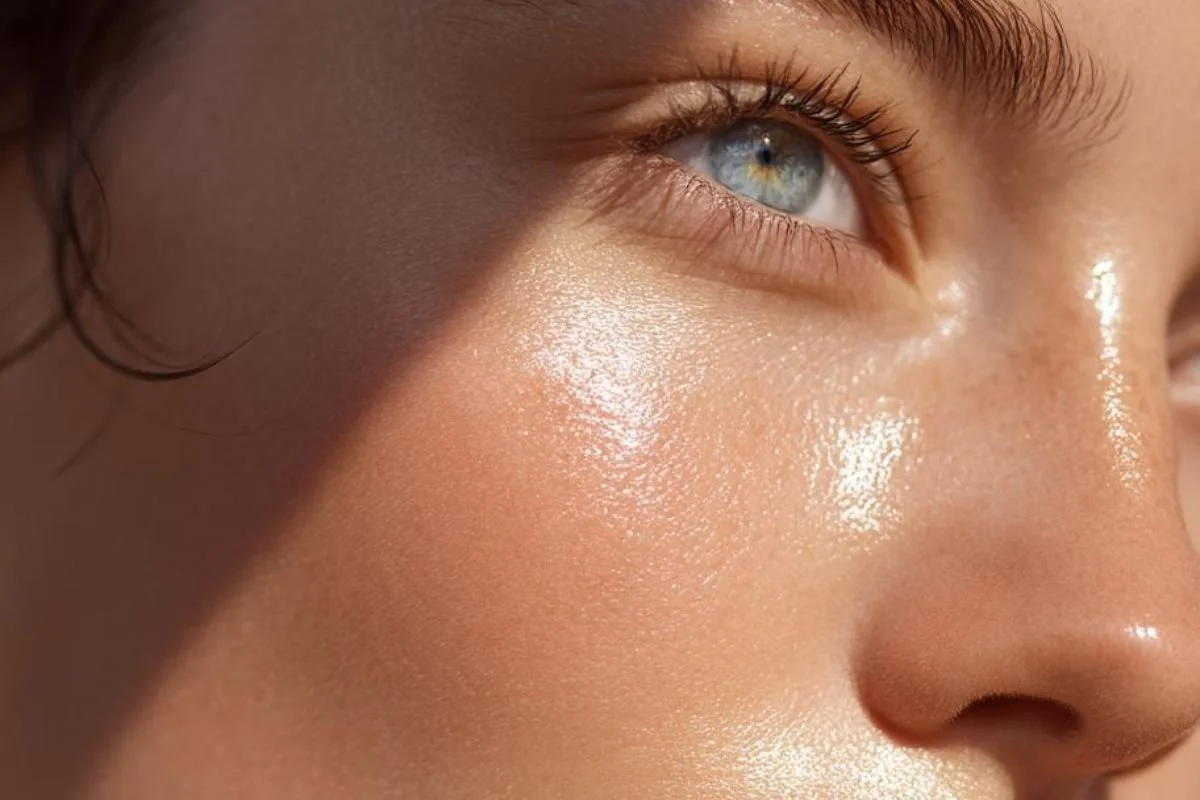
The term "glass skin" originated in Korean skincare and became popular as Korean beauty routines gained worldwide attention.
Glass skin refers to the key characteristics of skin that appears:
Smooth
Even-toned
Deeply hydrated
Refined in texture
Naturally reflective
The goal is not simply creating shine.
The goal is creating skin that is healthy enough to reflect light evenly from an even surface, giving it a reflective finish.
One reason the glass skin trend became so popular is because it shifted the focus from covering imperfections to improving skin health.
Glass skin does not mean:
Poreless skin
Perfect skin
Filtered skin
Airbrushed skin
Real skin has pores, natural skin texture, and changing skin texture takes care, not denial.
Glass skin is not about perfection. It is about creating the healthiest version of your skin possible, even if flawless skin is the idealized image often associated with it.
The simplest glass skin meaning is skin that appears smooth, hydrated, even-toned, and naturally reflective because it is healthy and well-supported, and while pore size cannot be permanently changed, it can look less visible as skin health improves.
In other words, glass skin is less about a specific look and more about the overall health and function of your skin, with an ultra smooth look as a realistic goal rather than a literal standard.
What Is Dewy Skin?
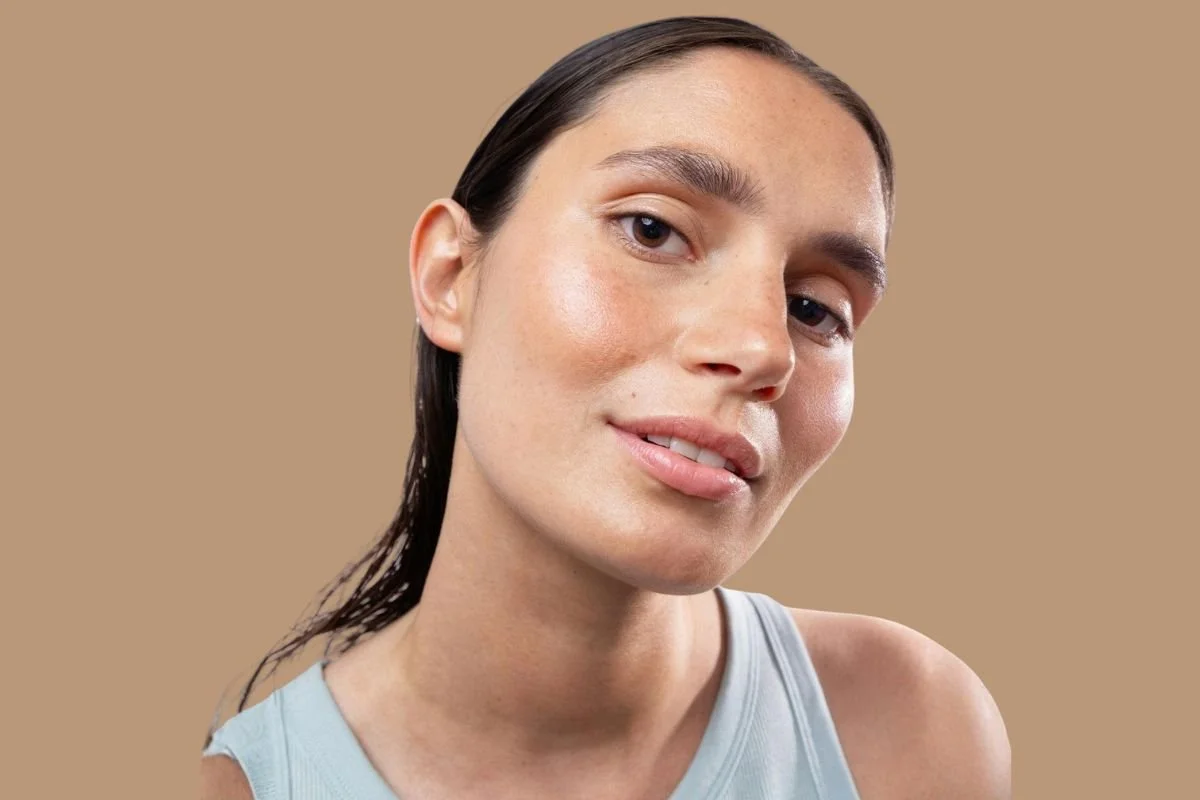
Dewy skin focuses primarily on hydration and a hydrated, luminous skin look.
When people describe skin as dewy, they are usually referring to a complexion that looks fresh, moisturized, plump, healthy, and marked by a dewy glow.
Dewy skin often appears:
Hydrated
Soft
Plump
Fresh
Radiant
In other words, the goal is a luminous glow that contributes to a luminous complexion.
Unlike glass skin, dewy skin does not require perfectly refined texture or even skin tone.
Someone can have dewy skin while still dealing with acne, pigmentation, visible pores, or uneven texture.
That is why dewy skin is often easier to achieve, whether through skincare or makeup depending on the goal.
A few improvements in hydration, moisturizer selection, and barrier support can create noticeable glow relatively quickly, especially with moisturizers that feel non greasy and do not leave skin looking greasy.
Glass skin requires a more comprehensive approach.
Dewy skin focuses on a hydrated glow.
Glass skin focuses on overall skin quality.
Glass Skin vs Dewy Skin: The Biggest Differences

Although both goals involve healthy-looking skin, there are several important differences. The table below highlights the key characteristics that separate the two goals.
| Glass Skin | Dewy Skin |
|---|---|
| Smooth texture | Hydrated appearance |
| Even skin tone | Fresh glow |
| Refined skin quality | Focus on radiance |
| Strong barrier health | Primarily hydration-focused |
| Requires long-term consistency | Often achieved more quickly |
| High light reflection | Healthy-looking glow |
Glass skin typically requires improvements in hydration, texture, tone, and barrier health.
Dewy skin is usually the result of improved hydration and moisture retention.
For many people, dewy skin is the first step toward glass skin.
Which Is Harder to Achieve?
Glass skin is significantly harder to achieve than dewy skin.
That's because glass skin requires multiple factors, including adequate hydration, working together consistently.
It depends on:
Hydration
Barrier health
Texture refinement
Even tone
Balanced oil production
Consistent skincare habits
The consistent use of the right products is the foundation for progress.
Dewy skin can often be achieved much faster through hydration and barrier support alone, and a simplified routine is often enough for that goal.
Glass skin usually takes longer because it requires visible improvements in overall skin quality.
For most people, dewy skin appears first. Glass skin develops as those improvements continue over time.
What Actually Creates Glass Skin?
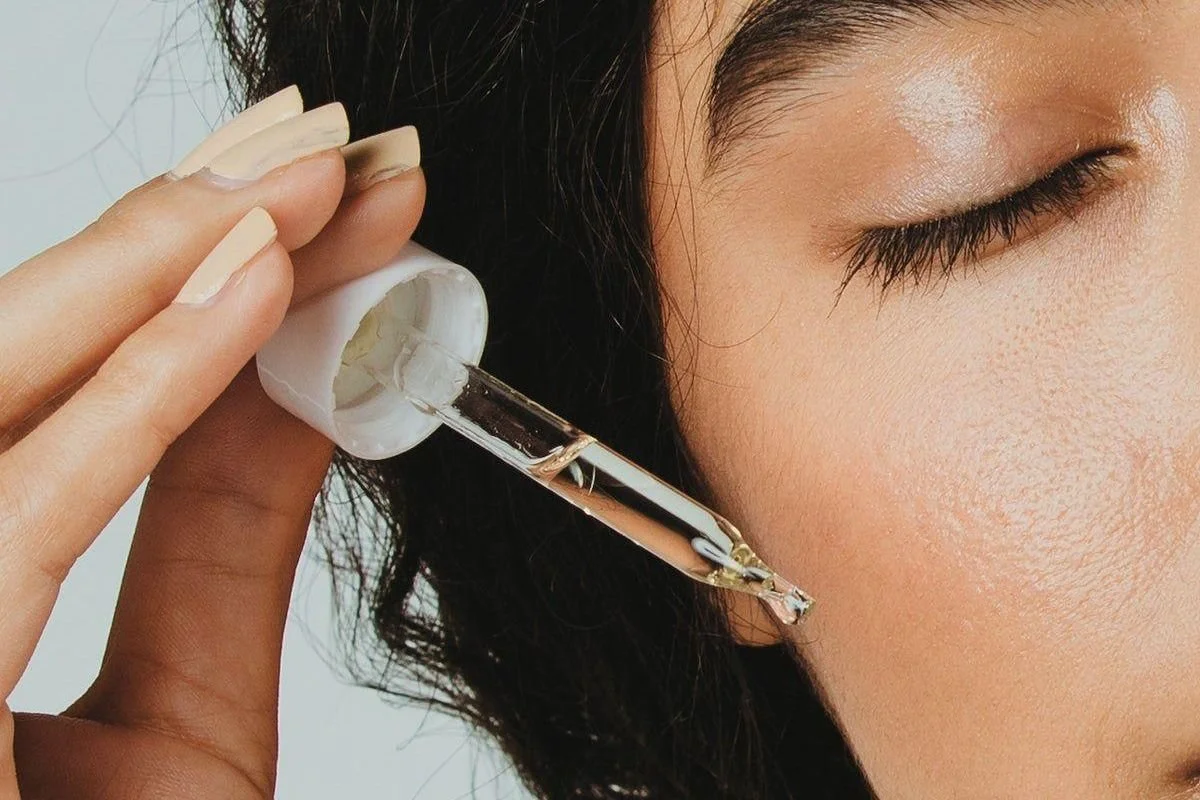
Once you understand the difference, the next question becomes how to actually achieve glass skin.
No matter your skin type, glass skin is built on a few foundational principles.
Barrier Health
Your skin barrier helps retain moisture, reduce irritation, and maintain balance.
When the barrier is compromised, skin often becomes dull, dehydrated, uneven, and prone to dryness.
Healthy barriers create healthier-looking skin. Ceramides can improve barrier function within 2-4 weeks of use.
Hydration
Deep hydration helps create well-hydrated skin that reflects light better and supports sustained hydration.
When skin cells are properly hydrated, moisture reaches deeper skin layers, so the surface appears smoother, plumper, and more luminous. Hyaluronic acid is one of the key hydrating ingredients because it can hold up to 1,000 times its weight in water. Applying essences or a hydrating serum on slightly damp skin helps lock in moisture and creates a plump base.
Gentle Exfoliation
Exfoliation helps improve texture and support healthy cell turnover, and chemical exfoliators like AHAs are one option for refining the surface while helping active ingredients work more effectively.
The goal is smooth skin, not irritated skin. Chemical peels can improve skin texture and clarity when used appropriately.
Consistency matters far more than aggressive exfoliation. Microneedling can also boost collagen production for smoother skin, but it’s best approached with professional guidance and moderation.
Oily Skin and Skin Type-Specific Care
There is no universal glass skin routine.
What works for oily skin may not work for dry or sensitive skin, especially when managing oiliness with lightweight hydration.
Successful routines are built around individual skin needs and choosing the right products for each skin type.
Daily SPF
Sun exposure contributes to uneven tone, dehydration, collagen breakdown, and premature aging, so SPF and sunscreen should be part of your daytime routine.
Protecting your skin is one of the most important steps in maintaining long-term results.
How to Get Glass Skin: Your Glass Skin Routine

If you're wondering how to get glass skin, focus on the fundamentals before chasing trends, because glass skin achievable for any skin type starts with the right approach.
The most effective glass skin routine focuses on:
Consistent hydration
Barrier repair and protection
Gentle exfoliation
Daily SPF
Skin preparation, including a double cleanse
Products selected for your skin type
Consistent skin preparation makes all the difference over time.
Glass skin is not created by one product or one treatment. Key products often used to support hydration and clarity include hyaluronic acid and niacinamide.
It is the cumulative result of hundreds of small decisions that support your skin over time.
Can Every Skin Type Achieve Glass Skin?
One of the biggest misconceptions about glass skin is that it only works for certain skin types.
That is not true.
Every skin type can improve hydration, texture, and barrier health.
The strategy simply looks different.
Oily skin often benefits from lightweight hydration and balanced exfoliation.
Dry skin typically requires a stronger focus on moisture retention and barrier support.
Acne-prone skin often sees the best results when hydration, inflammation control, and barrier health are addressed together.
Sensitive skin benefits from simplicity, consistency, and barrier-focused care.
Glass skin is not reserved for one skin type.
It is the result of understanding what your skin needs and supporting it consistently.
Glass Skin vs Dewy Skin: Which Should You Aim For?
There is no universally better option.
Most people should focus on healthy skin first.
If your goal is a quick, healthy glow, dewy skin may be the more realistic short-term target.
If your goal is improving texture, tone, hydration, and overall skin quality, glass skin is likely the better long-term goal.
Think of it this way:
Healthy Skin → Dewy Skin → Glass Skin
Dewy skin is often the first visible sign that your skin is becoming healthier.
Glass skin develops as those improvements become more consistent over time.
Glass skin is not a product.
It is the result of consistently healthy skin.
Frequently Asked Questions
Is glass skin the same as dewy skin?
No. Dewy skin focuses on hydration and glow, while glass skin includes smooth texture, even tone, hydration, and strong barrier health.
Can you have dewy skin without glass skin?
Yes. Many people achieve dewy skin without having the refined texture or even tone associated with glass skin.
Is glass skin realistic?
Yes. Healthy glass skin is realistic. Filtered, poreless skin is not.
How long does it take to achieve glass skin?
Most people begin seeing improvements within several weeks, but achieving true glass skin often takes months of consistent care.
If You Want Healthier, More Radiant Skin
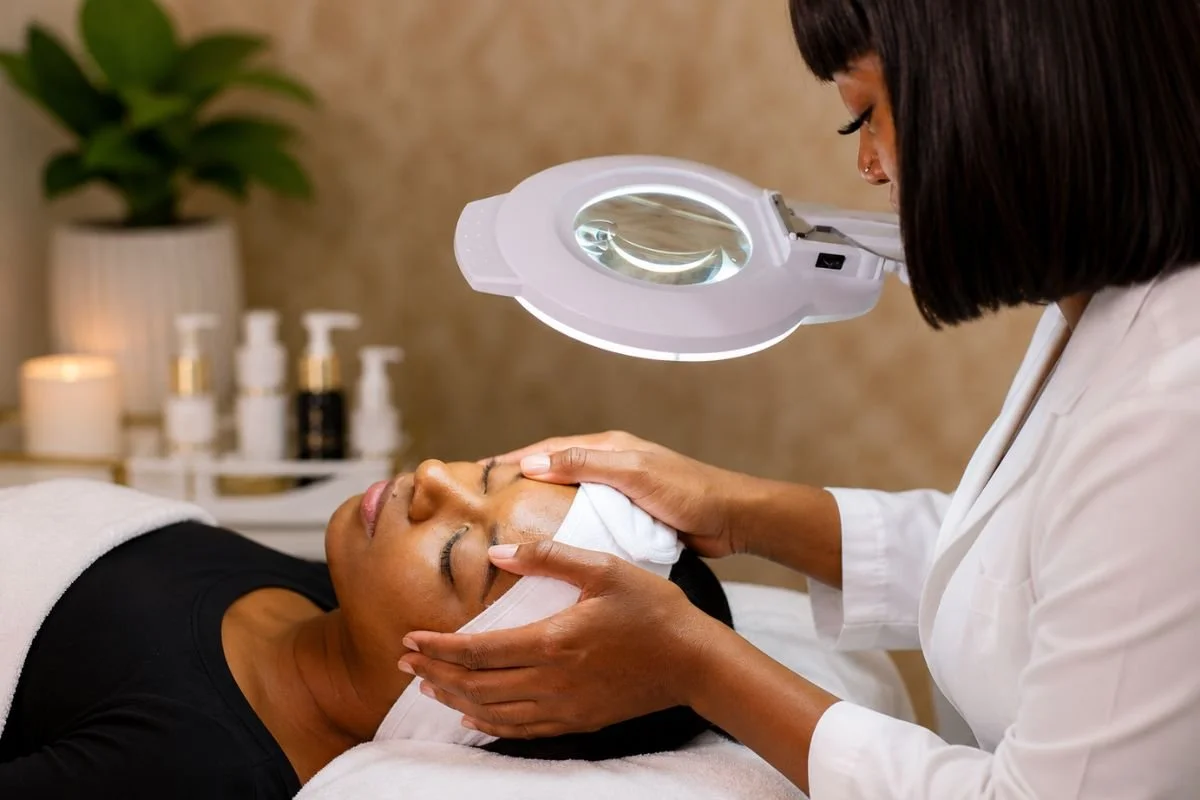
Whether your goal is dewy skin, glass skin, or simply healthier skin overall, the path is the same. Healthy skin is built through consistency, not shortcuts.
Support your skin consistently and the results become much easier to achieve.
You do not need more products.
You need a strategy that matches your skin.
Whether your goal is healthier glow, smoother texture, or true glass skin, the right routine starts with understanding your skin's unique needs.
If you are ready to stop guessing and build a personalized plan for your skin, I can help.
Book your skin consultation and let's create a routine designed specifically for your skin, your goals, and your version of healthy, glowing skin.