You want brighter, smoother skin. You don't want to spend the next week wondering whether your face is going to peel.
That's why BioRePeel gets so much attention.
But does it actually help with acne marks, uneven texture, and dull skin? And what does recovery look like?
If you're considering BioRePeel, here's what you should know before booking, including what it can improve, how much peeling to expect, and whether it's the right fit for your skin.
Quick Answer: What Is BioRePeel?
BioRePeel is a professional chemical peel that uses a biphasic formulation to exfoliate the skin and improve the appearance of dullness, uneven texture, and certain discoloration concerns.
Depending on your skin and treatment plan, BioRePeel may help your complexion look brighter, smoother, and more even.
It's often associated with minimal visible peeling, but that doesn't mean everyone experiences zero downtime. Temporary redness, dryness, flaking, or sensitivity can still occur.
The goal is professional exfoliation and visible cosmetic improvement, with a treatment plan suited to your skin.
What Is BioRePeel and How Does It Work?
BioRePeel uses a two-phase formula designed to exfoliate the skin's surface while supporting skin rejuvenation. Its formulation includes 30% trichloroacetic acid (TCA), along with salicylic acid, citric acid, amino acids, and vitamins.
Although BioRePeel contains TCA, its formulation and treatment protocol differ from those of some more intensive TCA peels.
It's often associated with less visible peeling, but that doesn't mean exfoliation isn't happening. Your skin can undergo professional exfoliation without experiencing significant visible shedding. The formula is designed to work beyond the skin's surface to support cellular turnover.
At Glass Skin Studio in Jersey City, Paris offers BioRePeel alongside other professional chemical peel options.
The goal isn't to choose a treatment simply because it's popular. It's to choose the peel that makes sense for your skin condition, concerns, and desired results.
5 BioRePeel Benefits for Your Skin
So, what does BioRePeel actually do?
The treatment is designed to improve the appearance of several common skin concerns through professional exfoliation.
Here are five potential benefits.
1. Brighter, More Radiant-Looking Skin
If your complexion looks dull even when you're consistent with your skincare routine, surface buildup may be part of the problem.
As dead skin cells accumulate, they can make the skin appear rough or lackluster.
BioRePeel can gently exfoliate buildup from the skin's surface, which may leave the complexion looking brighter and more refreshed.
If your main goal is glowing skin, this treatment may help enhance your complexion without the extensive visible peeling associated with some stronger chemical peels.
2. Smoother Skin Texture
Rough texture can make your skin feel uneven and affect how smoothly makeup sits on your face.
Professional exfoliation may help improve the appearance of superficial roughness and leave the skin looking more refined. That smoother appearance can develop as the skin undergoes cellular turnover.
However, it's important to distinguish surface texture from deeper concerns.
Indented acne scars, for example, involve structural changes in the skin. Superficial roughness may improve, but deeper scarring usually needs more targeted treatment approaches.
3. A More Even-Looking Skin Tone
Dark spots and uneven skin tone are common reasons people consider chemical peels.
Depending on the cause of the discoloration, exfoliating treatments may help improve the appearance of certain superficial pigmentation concerns.
The cause of your discoloration matters. Post-acne marks, sun-related pigmentation, and melasma can require different treatment approaches, so a professional assessment is important.
4. Support for Congested and Acne-Prone Skin
Clogged pores and surface buildup can contribute to a congested-looking complexion.
For certain acne-prone clients, BioRePeel may be considered as part of a broader skincare plan to address surface congestion.
It isn't a universal acne treatment. The type and severity of your breakouts will help determine whether a chemical peel is appropriate.
Some superficial post-acne marks may also improve with professional exfoliation, although deeper acne scars typically require different treatments.
5. Professional Exfoliation With Less Visible Peeling
One of BioRePeel's biggest appeals is the possibility of receiving a professional chemical peel without the extensive visible peeling often associated with more intensive treatments.
For people who want to improve their skin's appearance but are concerned about recovery time, BioRePeel may offer an appealing alternative.
Some clients may experience little visible peeling, while others may notice dryness, flaking, redness, or sensitivity.
Your skin's response will depend on several factors, including its condition and the treatment protocol.
That makes it worth discussing if you're looking for professional exfoliation with potentially less disruption to your daily routine.
Those benefits sound appealing, but the results you'll get depend on what you're trying to improve.
If acne, acne marks, or pigmentation are your biggest concerns, it's worth understanding how BioRePeel fits into the picture.
BioRePeel for Acne, Acne Scars, and Hyperpigmentation: Does It Work?
Acne, acne marks, acne scars, and hyperpigmentation aren't interchangeable.
And they don't all respond to the same treatments.
BioRePeel for Acne and Congested Skin
Acne can involve clogged pores, excess oil, inflammation, and other contributing factors.
For some acne-prone clients, professional exfoliation may be incorporated into a treatment plan to address surface buildup and certain congestion concerns.
However, BioRePeel isn't automatically appropriate for every type of acne.
Persistent, painful, or significantly inflamed breakouts may require a different treatment approach.
BioRePeel for Acne Marks and Scars
There's a difference between the marks acne leaves behind and actual acne scars.
Flat brown or red marks are forms of post-acne discoloration. Indented scars involve changes in the skin's structure.
Chemical peels may help improve the appearance of certain superficial post-acne marks.
Deep or indented acne scars, however, typically require more targeted treatments. BioRePeel should not be expected to eliminate them.
BioRePeel for Dark Spots and Hyperpigmentation
If you're dealing with dark spots or uneven pigmentation, BioRePeel may be one treatment worth discussing with your esthetician.
The appropriate approach depends on what's causing the discoloration.
Some superficial pigmentation concerns may improve with professional exfoliation, while conditions such as melasma require careful management and consistent sun protection.
For a broader look at treatment options, read Chemical Peel for Acne, Dark Spots, and Glowing Skin.
Does BioRePeel Cause Peeling? Downtime Explained
One of the most common questions about BioRePeel is whether your face will actually peel afterward.
The short answer?
You may experience little visible peeling, but zero peeling isn't guaranteed.
BioRePeel contains 30% TCA, yet it's often associated with less visible peeling than some more intensive chemical peels.
However, your skin may still experience:
Temporary redness
Tightness
Dryness
Mild flaking or peeling
Increased sensitivity
Your reaction depends on your skin's condition, the treatment protocol, and how your skin responds.
Even if your skin doesn't visibly peel, it's still important to follow your aftercare instructions.
Appointments typically take 30 minutes or less, making the treatment relatively easy to fit into a busy schedule.
But a short appointment doesn't mean you should ignore recovery.
If you're considering BioRePeel before a wedding, vacation, photoshoot, or another important event, don't book your first treatment at the last minute.
Give your skin enough time to settle.
BioRePeel Before and After: What Results Can You Expect?
When you're investing in a professional treatment, you want to know what kind of difference you might actually see.
BioRePeel results vary based on your skin concerns, treatment plan, and how your skin responds.
Here's a realistic look at what the treatment may help improve.
| Skin Concern | Potential BioRePeel Results |
|---|---|
| Dullness | A brighter, more refreshed-looking complexion |
| Surface roughness | Smoother-looking skin texture |
| Post-acne marks | Possible improvement in certain superficial discoloration concerns |
| Uneven skin tone | A more even-looking complexion, depending on the cause of pigmentation |
| Deep acne scars | Significant improvement should not be expected from BioRePeel alone |
When Will You See BioRePeel Results?
Some clients may notice brighter, smoother-looking skin after just one session, once the initial recovery period has passed.
Changes involving discoloration or uneven texture may become more noticeable gradually, depending on your skin and treatment plan.
Other improvements may develop over time, particularly when treatments are performed as part of a personalized series.
What Happens After Multiple Treatments?
A series of BioRePeel treatments may be recommended when your goal involves ongoing concerns such as fine lines, uneven texture, or persistent pigmentation.
Repeated treatments may support gradual improvements in skin appearance. BioRePeel is also used in treatment plans intended to support skin renewal and collagen-related processes, although individual outcomes vary.
Paris can assess how your skin responds between appointments and adjust the plan accordingly.
The goal is consistent progress without unnecessary irritation.
How Long Do BioRePeel Results Last?
BioRePeel results depend on your skin concerns, treatment plan, and how well you care for your skin afterward.
Some clients notice improvements after their first session, while others benefit from a series of treatments to address concerns such as uneven texture, discoloration, or dullness.
Consistent skincare, daily sun protection, and a personalized maintenance plan can help preserve your results and support healthier-looking skin over time.
If you're working toward consistently smoother, more radiant skin, read How Long Does It Take to Get Glass Skin?.
What Happens During a BioRePeel Treatment at Glass Skin Studio?
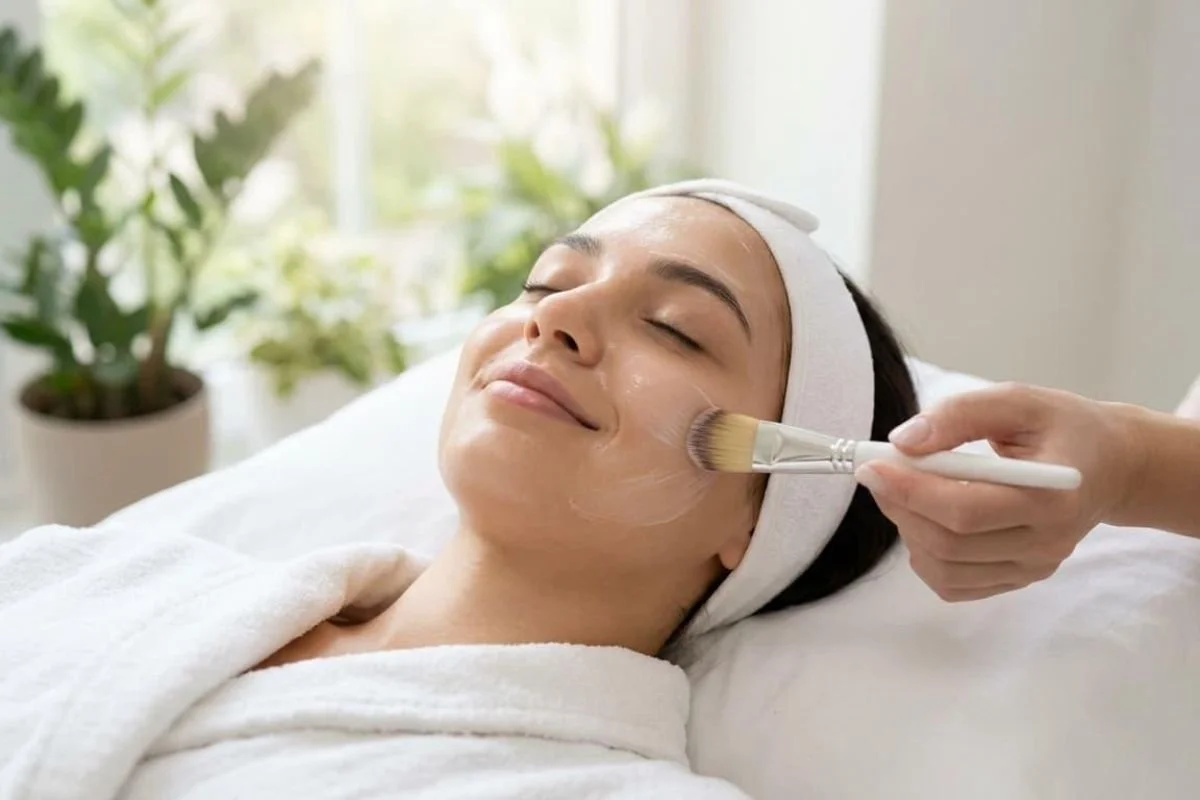
Booking a chemical peel shouldn't feel like a guessing game.
At Glass Skin Studio, Paris starts by looking at your skin concerns, treatment history, and goals. The point isn't to put everyone through the same treatment. It's to make sure BioRePeel is a good fit before getting started.
A typical appointment may include:
1. Skin Assessment
Paris reviews your skin concerns, treatment history, and goals before selecting the appropriate peel.
2. Skin Preparation
Your skin is cleansed to remove makeup, oil, and impurities before being prepared according to the treatment protocol.
3. BioRePeel Application
The peel is professionally applied and monitored based on the treatment guidelines and your skin's response.
4. Post-Treatment Skincare
The peel is removed, and appropriate finishing products are applied.
5. Aftercare Guidance
You'll receive instructions on caring for your skin after treatment, including products or activities to temporarily avoid.
The procedure typically takes 30 minutes or less and can be convenient for clients with busy schedules.
Paris is professionally trained in BioRePeel application and has held PCA chemical peel certification since 2018.
That experience matters when choosing between different peel options, especially if you're dealing with acne, pigmentation, or sensitivity.
You can learn more about chemical peel treatments at Glass Skin Studio.
BioRePeel Aftercare: What to Do and What to Avoid
Your skin just had a professional chemical peel.
Now is not the time to test three new serums and an exfoliating mask.
Even if you aren't visibly peeling, your skin may be more sensitive following treatment.
Your esthetician will provide specific aftercare instructions based on your skin and the treatment performed.
General aftercare recommendations may include:
Cleanse gently. Avoid harsh cleansers or scrubbing to reduce the risk of irritation while your skin recovers.
Keep your skin moisturized. Use products recommended for your post-treatment skin to support hydration.
Wear sunscreen. Protecting your skin from UV exposure is especially important after exfoliating treatments.
Avoid additional exfoliation. Give your skin time to recover.
Pause irritating active ingredients when instructed. Retinoids and other exfoliating products may need to be temporarily avoided.
Don't pick at peeling skin. Let any flaking resolve naturally.
With the right skincare routine and appropriate sun protection, BioRePeel may be incorporated into treatment plans throughout the year.
If your skin is already irritated or your barrier has been struggling, discuss that before scheduling a peel.
For more on maintaining healthy-looking skin between appointments, read Skin Barrier Glass Skin: Why Your Skin Barrier Is the Secret.
How Many BioRePeel Treatments Do You Need?
That depends on your specific skin concerns.
If your main goal is a brighter, refreshed-looking complexion, your treatment plan may look different from someone addressing ongoing pigmentation or uneven texture.
Glass Skin Studio discusses chemical peel treatment series of approximately three to six sessions for certain goals.
That number refers to a potential treatment series, not how long your results will last.
Some people notice improvement after just one session, while others benefit from multiple treatments to reach their desired results.
Paris can recommend an appropriate schedule based on your skin concerns, treatment history, and how your skin responds.
The goal isn't to book the most appointments possible.
It's to build a plan that makes sense for your skin.
You can explore the studio's chemical peel services and treatment options.
BioRePeel vs. Traditional Chemical Peels and PCA Skin Chemical Peels: What's the Difference?
BioRePeel isn't the only chemical peel offered at Glass Skin Studio.
Paris also offers PCA Skin chemical peels, which include different formulations selected according to the client's skin concerns.
Both are professional chemical peel treatments, but they come with different considerations.
| BioRePeel | PCA Skin Chemical Peels | |
|---|---|---|
| Treatment type | Specific biphasic chemical peel | Range of professional chemical peel formulations |
| Common goals | Improving dullness, superficial texture, and certain uneven-tone concerns | Addressing concerns such as acne, pigmentation, and texture, depending on the peel |
| Visible peeling | Often minimal, although individual responses vary | Depends on the selected formulation and treatment intensity |
| Treatment selection | Based on skin condition and suitability | Based on skin condition and the specific PCA peel selected |
Neither option is automatically better.
BioRePeel may appeal to someone looking for professional exfoliation with potentially minimal visible peeling.
A PCA Skin peel may be selected when a different formulation is better suited to the client's concerns.
Some clients choose BioRePeel because they're interested in exfoliating benefits with potentially less visible downtime.
The right choice depends on your skin, treatment history, and goals.
That's why working with an esthetician trained in multiple peel options matters.
Who Is a Good Candidate for BioRePeel? Suitable Skin Types Explained
BioRePeel may be worth considering for a range of skin types, depending on individual suitability.
It may be an option if you're dealing with:
Dull-looking skin
Mild surface roughness
Uneven-looking skin tone
Certain post-acne marks
Surface congestion
A desire for professional exfoliation
Interest in a peel with potentially minimal visible downtime
But not every skin concern should be treated with BioRePeel.
If your skin is actively irritated, your barrier is compromised, or you're experiencing certain inflammatory skin conditions, a peel may need to be postponed or avoided.
Medications, allergies, recent treatments, and your skin's history can also affect suitability.
If you have sensitive skin or are prone to post-inflammatory hyperpigmentation, an individualized assessment is especially important because irritation from chemical peels can sometimes worsen existing concerns.
And if persistent acne is your biggest concern, our guide to glass skin for acne-prone skin explains why choosing the right treatment matters.
Your skin should determine the treatment.
Not the trend.
Frequently Asked Questions About BioRePeel
How Much Does BioRePeel Cost in Jersey City?
Glass Skin Studio lists BioRePeel sessions starting at $275.
Pricing and package availability may change, so check the current chemical peel services and pricing before booking.
Is BioRePeel Painful?
Some clients experience mild tingling or warmth during application, while others may experience more noticeable temporary discomfort.
The sensation varies depending on your skin and the treatment protocol. Let your esthetician know if you experience significant discomfort.
How Soon Will I See BioRePeel Results?
Some clients may notice a brighter or smoother-looking complexion after just one session, once their skin has settled following treatment.
More persistent concerns may require a series of treatments, and results vary from person to person.
How Long Does BioRePeel Peeling Last?
Visible peeling varies. Some people experience little or no noticeable flaking, while others may have temporary dryness or peeling.
There isn't one recovery timeline that applies to everyone. Follow your esthetician's aftercare instructions and allow your skin time to recover.
Can You Wear Makeup After BioRePeel?
Follow the specific post-treatment instructions provided by your esthetician.
Applying makeup immediately after a chemical peel may not be recommended, particularly if your skin is sensitive or irritated.
Is BioRePeel Worth It?
If your goal is to improve the appearance of dullness, superficial texture, certain discoloration concerns, or early signs of aging such as fine lines, BioRePeel may be worth considering.
Whether it's a good investment depends on your skin concerns, treatment goals, and expectations.
Book BioRePeel in Jersey City at Glass Skin Studio

Interested in BioRePeel for dullness, uneven texture, or early signs of aging?
Paris at Glass Skin Studio offers BioRePeel and PCA Skin chemical peels, helping clients choose between treatments based on their skin concerns, goals, and tolerance for downtime.
If you're ready to take the next step, explore the available services and book an appointment that fits your skin goals.